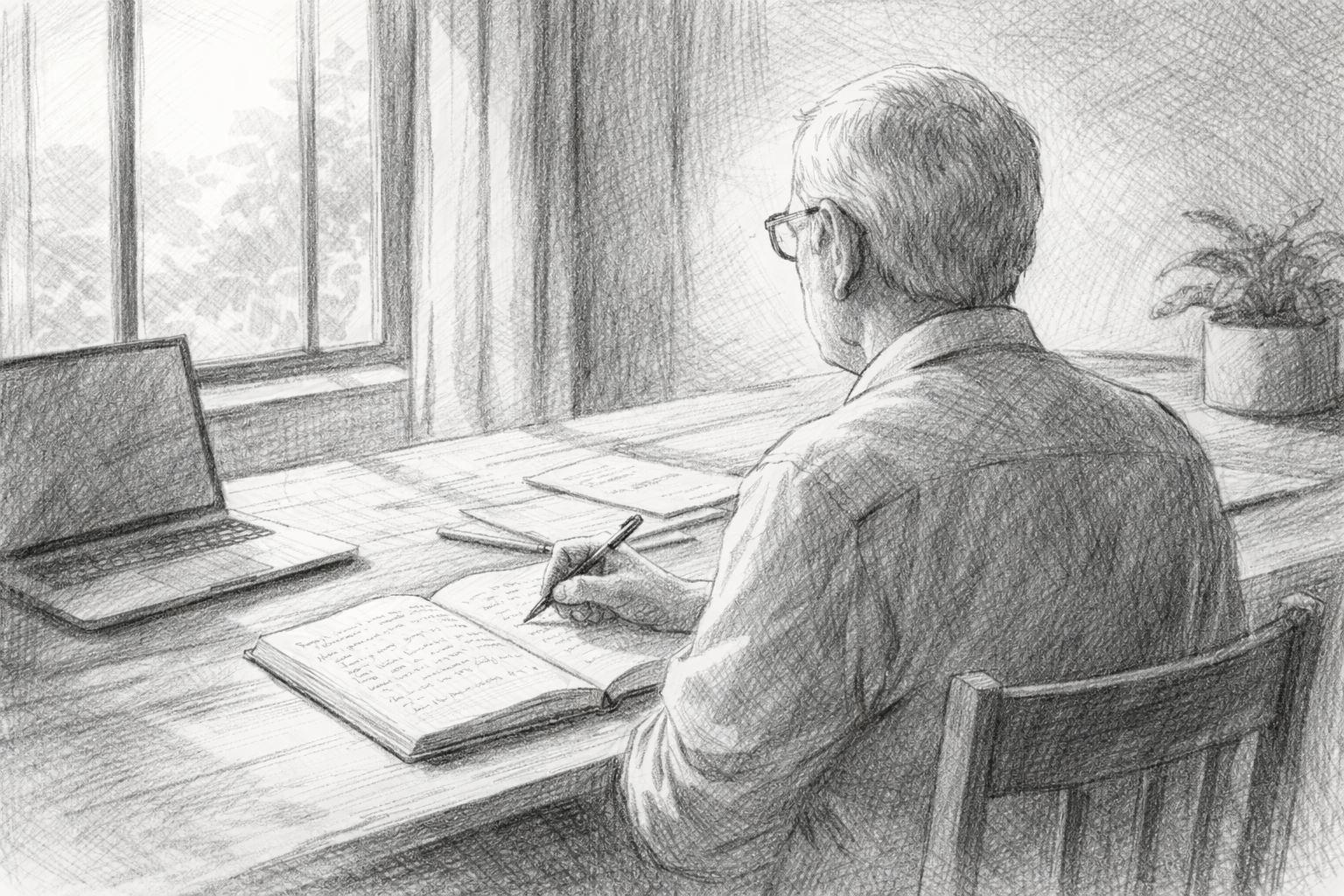
After spending decades in academia and research, many assumed that retirement would signal a slowing down. In certain respects, it has. The rhythm of deadlines has softened, formal responsibilities have eased, and the structured cadence of academic life has given way to quieter days.
Yet in one essential way, retirement has not slowed me at all — it has deepened me.
It has given me something that was often scarce during my professional years: time to reflect.
Over the decades, I have witnessed renewable energy transform from a specialized academic discipline into a defining global imperative. When I first began teaching, solar panels were costly and seldom seen on rooftops. Wind energy was confined to select geographies. Climate change was largely discussed in research journals and conference halls. Today, renewable energy — especially solar — has entered everyday conversation. It appears in news headlines, policy debates, school curricula, and even family discussions about electricity bills.
And yet, despite this visibility, I have observed something striking: information is abundant, but clarity is not.
Many homeowners wonder whether rooftop solar is truly a wise investment. Some question whether renewable energy can realistically replace coal. Others ask whether electric vehicles are genuinely sustainable or simply a passing trend. Concerns about reliability, affordability, environmental impact, and long-term viability are not only understandable — they are necessary.
But too often, the answers to these important questions are obscured by technical jargon, political polarization, or oversimplified claims.
For most of my professional life, the classroom was my platform. It was a privilege to explain complex ideas to students eager not only to understand how technologies function, but why they matter. Together, we examined solar radiation principles, wind turbine mechanics, photovoltaic systems, thermal technologies, energy storage challenges, environmental assessments, and policy frameworks. Our discussions were analytical, evidence-based, and intellectually honest.
However, renewable energy is no longer confined to lecture halls. It influences homeowners deciding whether to install solar panels, farmers evaluating solar pumps, entrepreneurs entering green industries, and citizens concerned about air quality and rising temperatures. Knowledge in this field should not remain restricted to academic publications. It should be accessible, understandable, and meaningful to society at large.
That realization became one of the central motivations for my writing after retirement.
Energy decisions shape daily life. They affect household expenses, public health, employment landscapes, national security, and the kind of world we leave to future generations. When citizens understand renewable energy in balanced and practical terms, they are better equipped to make informed choices. A homeowner who grasps the economics of solar energy evaluates proposals with confidence. A student who understands the realities of the energy transition can pursue purposeful career paths. A community informed about environmental trade-offs can engage in thoughtful public dialogue.
Over the years, I have heard many assertions — that solar panels are ineffective during cloudy weather, that wind turbines cause more harm than benefit, that renewable systems are too unreliable to power a nation. Some of these concerns stem from partial truths; others arise from misunderstanding. Renewable energy possesses remarkable strengths, but it also has limitations. Sustainable progress demands acknowledging both.
Through this platform, my intention is neither to promote uncritical optimism nor to dismiss conventional energy systems unfairly. Instead, I seek to offer balanced, evidence-based insights in language that is clear, measured, and practical.
Teaching renewable energy was never merely a profession for me. It was a window into the intersection of science, engineering, environment, and society. I have witnessed technological advances that once seemed improbable. At the same time, I have observed how public understanding often advances more slowly than innovation itself.
Retirement has provided me with a different, but equally meaningful, avenue to contribute — not through formal lectures or examinations, but through reflection and dialogue.
Writing allows me to remain intellectually engaged while sharing insights accumulated over decades of study and experience. In the months ahead, I intend to explore solar fundamentals, wind energy realities, energy storage complexities, environmental considerations, policy developments, and emerging opportunities in the renewable sector.
My aim is simple: to replace confusion with clarity, and to encourage informed reflection rather than reactive opinion.
If this space can help even a handful of readers see these issues more clearly, then this new chapter of life will be both purposeful and fulfilling.
I look forward to sharing this journey with you — and to engaging in thoughtful dialogue as we reflect together on the path toward a truly sustainable future.